Reconditioning Rather Than Replacing — Extending Barrel Performance
News

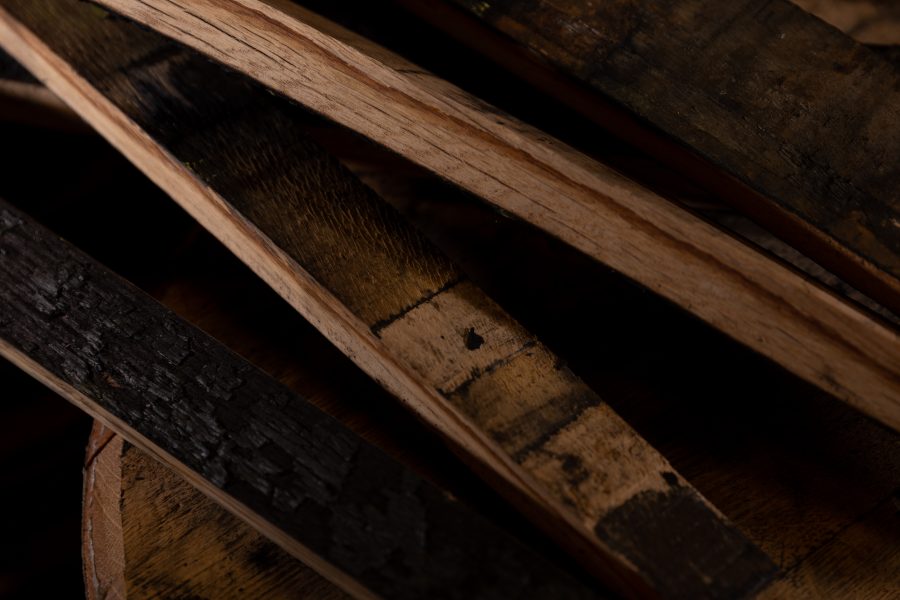
An oak barrel is not simply a vessel — it is a technical partner in maturation, actively shaping structure, texture, and flavor development. As raw material costs rise and sustainability becomes central to production strategy, barrel reconditioning offers a controlled, performance-driven solution that extends value without compromising quality.
Reconditioning goes beyond repair. It is the process of restoring a barrel to full structural integrity and aromatic functionality for continued use. Each intervention is designed to preserve or recalibrate performance while maximizing the barrel’s usable lifespan.
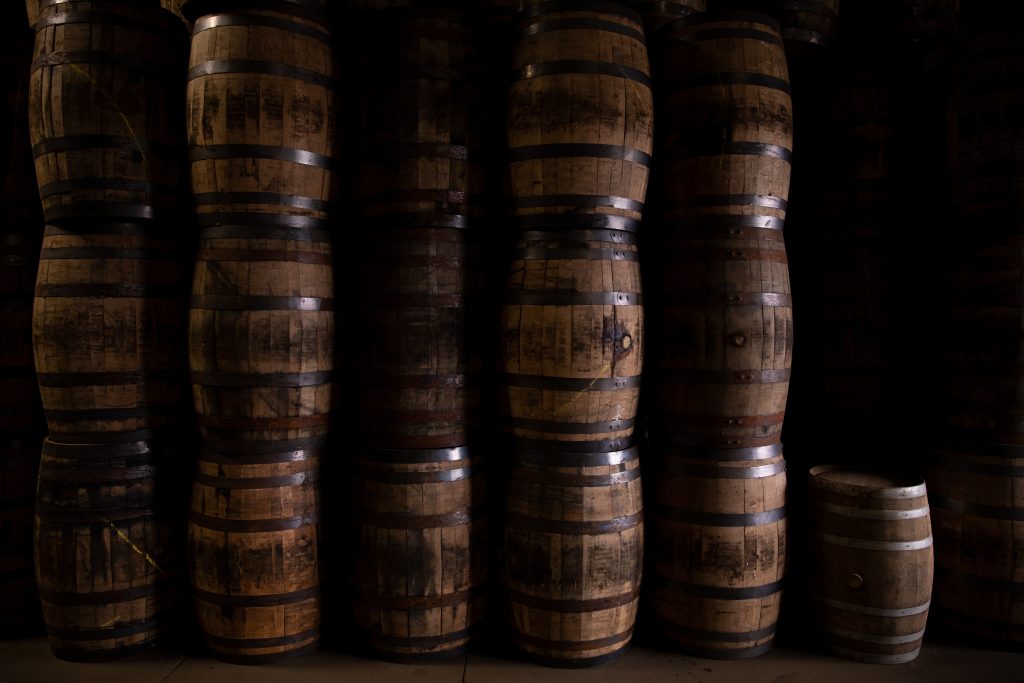
Every reconditioned barrel undergoes a series of carefully executed steps:
All work is carried out under strict technical protocols — often defined in collaboration with the distiller to align with specific maturation goals.
A properly reconditioned barrel must deliver:
The objective is not simply to extend lifespan, but to maintain predictable, repeatable maturation performance.
At Kelvin, reconditioning is fully integrated into our barrel lifecycle management approach. Our teams provide:
This allows distillers to confidently integrate reconditioned barrels into their production programs with technical assurance and consistency.
Reconditioning enables distillers to:
A reconditioned barrel is not a second-tier option — it is a strategic tool when managed correctly.
At Kelvin Cooperage, reconditioning is part of a broader circular performance model, where every barrel is engineered to deliver maximum value and consistent results throughout its lifecycle — in full respect of the oak, the spirit, and the distiller’s objectives.
A transatlantic legacy, from Glasgow to Louisville
Our expertise


Made with love by Cosa