Barrel Aging & Environment: How Warehouses Shape the Character of Spirits?
News

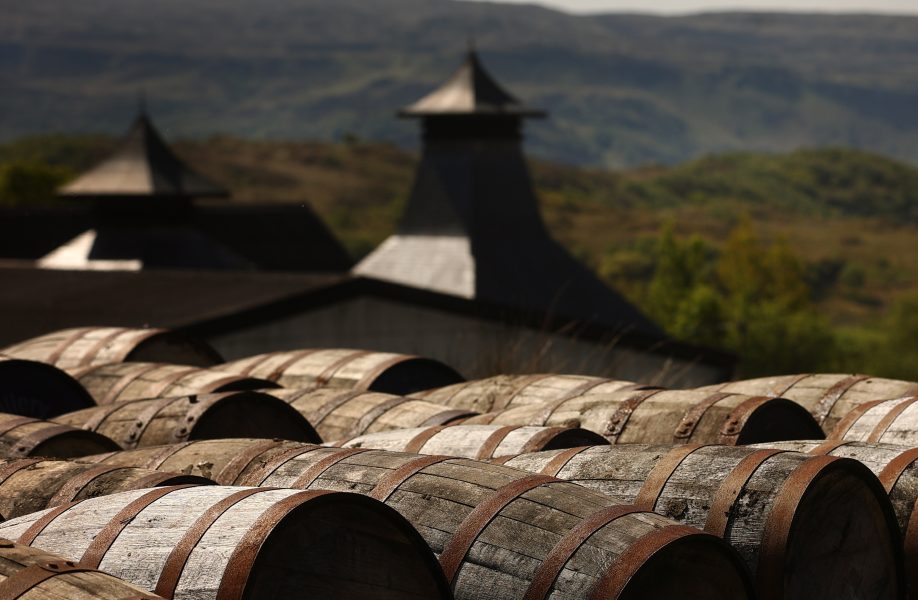
Barrel aging is far more than a passive interaction between wood and alcohol. It is a dynamic process shaped by environmental conditions that profoundly influence the development of a spirit’s character.
From warehouse architecture to climate, humidity and airflow, every parameter impacts maturation speed, aromatic expression, texture and color. Understanding and mastering these elements allows distilleries to craft distinctive and consistent sensory profiles aligned with their brand identity.
The maturation of whisky or bourbon depends heavily on the conditions in which barrels are stored. The warehouse is not merely a storage space — it is an active contributor to flavor evolution.
Warehouse Architecture
Different warehouse types create very different maturation dynamics:
Dunnage Warehouses
Typical of Scotland, these traditional warehouses promote slow, harmonious aging with enhanced tannin integration and refined complexity.
Rackhouses (Ricked Warehouses)
Common in the United States, these structures generate greater temperature variations between floors, leading to faster and less homogeneous aging.
Palletized Warehouses
These facilities often promote slower maturation depending on insulation and airflow.
Temperature variations drive the expansion and contraction of the spirit inside the barrel.
Large thermal amplitudes — such as those observed in Texas — accelerate aging and intensify extraction.
Conversely, cooler climates like Scotland favor slower maturation and greater aromatic integration.
Evaporation — known as the “angel’s share” — plays a crucial role in shaping the final profile.
Loss rates can range from 1% to over 12% annually depending on climate.
Oxygen slowly enters through the wood pores, triggering controlled oxidation reactions that create aldehydes, esters and aromatic acids.
Well-ventilated warehouses enhance:
Maritime environments may contribute subtle briny or saline nuances. Poor ventilation, on the other hand, slows aromatic development.
High-altitude aging introduces:
These factors can accelerate extraction but may also risk aromatic imbalance if not carefully managed.
The aging environment directly influences:
Barrel aging is therefore a dynamic, multi-parameter process. Distilleries that master environmental control gain a powerful lever to craft unique, consistent and market-differentiated spirits.
Reazin, G. H. (1981). Chemical Mechanisms of Whiskey Maturation. American Journal of Enology and Viticulture, 32 (4), 283–289.
Piggott, J. R. (2016). Whisky, whiskey and bourbon: Composition and analysis of whisky. In Encyclopedia of Food and Health, pp. 514–518. Academic Press.
School of Wine and Spirits. The science behind Bourbon aging: Why time matters: https://schoolofwineandspirits.com/blogs/news/the-science-behind-aging-bourbon-why-time-matters?_pos=1&_sid=e453a5443&_ss=r
A transatlantic legacy, from Glasgow to Louisville
Our expertise


Made with love by Cosa